Balancing Act: Fitness, Family & Career — Without Burning Out
You don’t need more hours—you need better systems. And grace.
If your inbox pings past bedtime, your workout gear gathers dust, and you’re constantly torn between career goals and bedtime stories—you’re not alone. Most of us are stuck reacting to life instead of shaping it. This guide offers a realistic, tested framework to help you realign your time, health, and energy with what truly matters: your goals, your people, and your peace of mind.
1. Clarify What Matters
1.1 Choose 3 Weekly Wins
Burnout often starts with trying to win in every area, every day. Instead, simplify. Each Sunday, choose just three specific outcomes that will make the week a win:
- One for your body
- One for your relationships
- One for your career
Let those priorities be your compass.
1.2 Visual Time Blocking
Color-code your calendar if needed. Even without colors, seeing where your time is going helps you assess balance.
1.3 Ask the Tradeoff Question
When something new comes up, ask:
“What am I willing to give up for this?”
If the tradeoff stings, the answer is no.
2. Train Smarter, Not Longer
2.1 Minimum Effective Dose
According to the CDC:
- 150 minutes of moderate or 75 minutes of vigorous activity per week
- 2 strength training sessions
That’s your baseline. Anything more is a bonus.
2.2 HIIT & Sprint Intervals
Short on time? Try:
- HIIT: 20 minutes can match 45 minutes of steady cardio
- Sprint finishers: 30 seconds all-out, 60 seconds walk, repeat x6
2.3 Micro-Workouts
Sneak movement into your day:
- Push-ups while coffee brews
- Squats between meetings
- Calf raises while brushing your teeth

2.4 Desk-Friendly Stretching
Back tight by noon? You’re not alone. The Mayo Clinic’s office stretch sequence—neck rolls, shoulder squeezes, and seated hamstring reaches—helps undo the damage of desk life. Just 5 minutes a day can improve posture, circulation, and focus.
Pro tip: Set a timer to stretch every 90 minutes. It’s the easiest performance enhancer you’re not using.
2.5 Home Gym Essentials
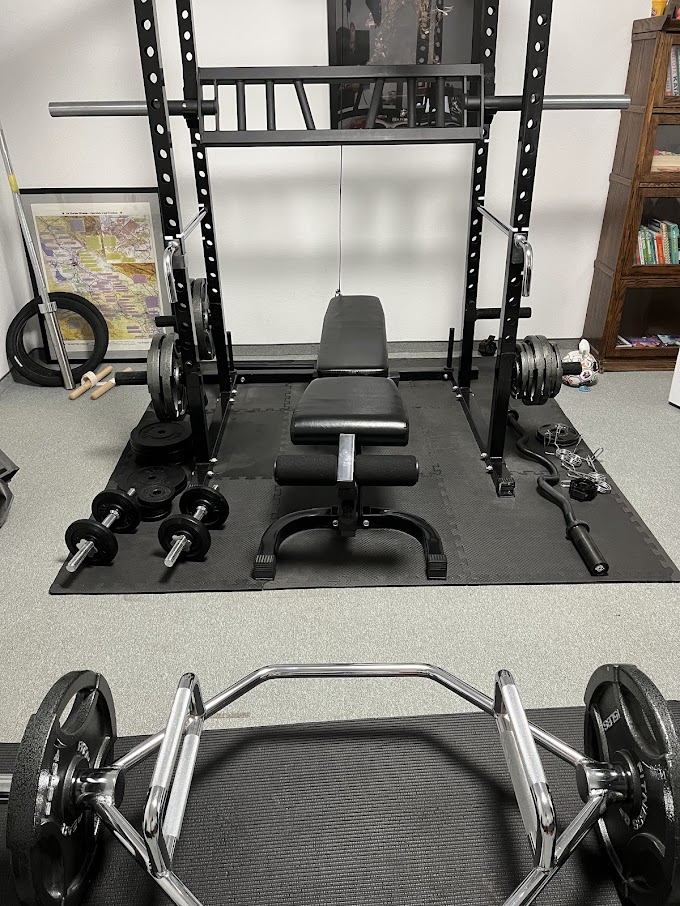
If getting to the gym is half the battle, cut that battle out entirely. A squat rack, adjustable dumbbells, and a pull-up bar cover 90% of functional movements and eliminate the excuse loop.
You save time, stay consistent, and build momentum without leaving your home. Explore my full list and setup here: Home Gym Essentials
2.6 Ready-to-Go Workout Plans
Get started quickly with 3- or 4-day split workout plans designed for busy individuals. Workout Split: 3-, 4-, 5-Day Plans
3. Eat Like a Pro, Not a Perfectionist
3.1 Batch Cook Once a Week
An hour each Sunday—sheet-pan chicken, roasted veggies, overnight oats—erases daily “What’s for lunch?” fatigue and curbs take-out spending. Harvard’s Nutrition Source confirms batch cooking trims cost and calories. FMI meal-prep study ›
3.2 Use the ½–¼–¼ Rule
Keep meals simple and repeatable with this plate formula:
- ½: vegetables and fruit
- ¼: lean protein
- ¼: whole grains or complex carbs
Stick to ingredients your family enjoys, and rotate seasoning to keep it fresh.
3.3 Hydrate With Purpose
Brain fog in the afternoon? It might not be your to-do list — it might be dehydration. Even mild dehydration can impair focus, mood, and performance by up to 15%.
Keep a 600 ml water bottle nearby and finish it every two Pomodoro cycles (roughly every 50 minutes). Small habit, big return.
Food is fuel, but so is money. Before we lace up with the kids, let’s make sure the budget can keep pace.
4. Financial Wellness: Fueling Your Goals
4.1 Apply the 5S Budgeting Method
Bring order to your finances with Lean thinking. The 5S Budgeting method gives every dollar a job and every habit a home:
- Sort: Know where your money actually goes
- Set in Order: Prioritize what matters most
- Shine: Cut unnecessary spending, unused subscriptions, and hidden fees
- Standardize: Use auto-pay and templates
- Sustain: Do a 5-minute review every Friday
Small systems add up to major clarity.
4.2 Eliminate High-Interest Debt
Think of 20% APR like reverse investing—your money is compounding in the wrong direction. List your debts from highest to lowest interest, automate the minimums, and snowball extra payments toward the worst first. Start small and build momentum. This guide breaks down exactly why paying off high-interest credit cards beats investing—until you’re out of the red.
Eliminating stress is often a better ROI than chasing gains.
4.3 Invest with Intent, Not Impulse
Once debt is cleared, don’t let that freed-up cash drift. Reassign it toward your long-term freedom: a diversified index fund portfolio, a small slice of “fun money,” and recurring calendar blocks to rebalance. If you’re unsure where to start, use this playbook: How to Build an Investment Portfolio.
Get your budget in order, and the rest of your routine starts to run smoother—because every decision has a job, just like every dollar.
5. Family Fitness Fun
5.1 Evening Walks
A 20-minute stroll after dinner helps everyone reset—physically and emotionally. It supports digestion, brings down cortisol levels, and gives your kids a screen-free way to rack up steps. No devices, no destination—just movement and connection.

5.2 Active Family Weekends
Swap malls for outdoor adventures, bike rides, or pool days. Active bonding creates memories and good habits.
5.3 Turn Fitness into Fun
Make fitness enjoyable through games like pedometer challenges, plank contests, and obstacle courses.
5.4 Device-Free Meals
Three device-free family dinners per week are linked to improved children’s mental health and academic performance. FMI family-meals research ›
6. Work Smarter, Not Harder
6.1 Focused Work Sessions
Cap focus bursts at 90 minutes. After that, cortisol spikes, creativity drops, and fatigue creeps in. Work smarter by breaking the day into deep-focus blocks followed by resets. Verywell Fit: 90-min focus rule ›
6.2 Regular Micro-Breaks
Ten minutes of movement—stretching, walking, or box breathing—restores focus and reduces pain from sitting. Schedule 2–3 breaks into your calendar like appointments. Healthline: micro-break benefits ›
6.3 Automate Routine Tasks
Reclaim hours each week by automating low-value work:
- Set up email filters
- Use template replies
- Create auto-generated reports.
Use the time saved to knock out high-impact projects—or squeeze in that afternoon lift.
7. Identify & Prevent Burnout
7.1 Recognize the Red Flags
Burnout isn’t just being tired—it’s chronic, unmanaged stress that builds over time. Watch for early signs like:
- Exhaustion — energy crash by noon.
- Cynicism — eye-rolls at every meeting.
- Declining Efficacy — easy tasks feel Herculean.
The World Health Organization classifies burnout as an occupational phenomenon caused by chronic, unmanaged stress. WHO burnout definition ›
7.2 Fast Counter-Moves
Use this table to course-correct before burnout gains momentum:
| Symptom | 10-Minute Fix | 24-Hour Reset |
|---|---|---|
| Heavy limbs on workout day | Swap lifts for mobility + walk | Early bedtime + magnesium |
| Snapping at loved ones | Box-breathing (4-4-4-4) | Plan a family micro-date |
| Sunday dread | Journal three Monday wins | Block off a future Friday afternoon |
Burnout isn’t weakness. It’s your system sending a signal. Listen early. Recover faster.
8. Motivation & Progress Tracking
8.1 Set Real Goals
Skip vague goals like “get fit.” Instead, aim for clarity:
“Complete three 25-minute HIIT sessions this week.”
Specific, measurable goals create momentum and eliminate decision fatigue.
8.2 Immediate Feedback
Track your progress in real time. Use:
- A habit-tracking app
- A simple wall calendar
- A small notebook by your desk or gym area
Visible streaks build motivation. Seeing progress fuels consistency.
8.3 Celebrate Wins
Finished four consistent weeks? Celebrate it.
Buy that new kettlebell. Plan a hike. Take a guilt-free Sunday off.
Progress without reward feels like more work. Reward the system to reinforce the habit.
9. Actionable Checklist
| Daily | Weekly | Monthly |
|---|---|---|
| Color-block calendar | Meal-prep Sunday | Review progress vs. goals |
| 10,000 steps | Strength train ×2 | Date night (booked) |
| 3 micro-breaks | Family dinner ×3 | 24-hour digital detox |
| 2 L water | HIIT or sprint session | Skill course or book |
| Journal 1 win or insight | Review budget or expenses | Reflect: What’s working? |
Print, laminate, and stick on the fridge or office wall.
10. FAQ (Fast Answers for Busy People)
Final Thoughts: Alignment Over Everything
Balance isn’t a static midpoint; it’s a dynamic alignment you recalibrate daily. By mastering time, choosing efficient fitness, eating for energy, weaving movement into family life, defending boundaries at work, and tracking progress, you build a life that performs in every lane—without flaming out in any.