
Why Paying Off Credit Card Debt Should Come First
I’ve been there. At one point in my life, I had multiple credit cards with balances. Instead of focusing on paying off credit card debt, I was only making the minimum payments while trying to invest in risky ventures like alt-coins and speculative stock options. My logic? I thought I could get rich quick. Instead, I lost money. A lot of it. It was a hard lesson, but an important one: paying off credit card debt should come before investing.
This isn’t about putting your life on hold until every balance hits zero. It’s about making sure your money works for you instead of against you, so you can enjoy life now and still build something for later.
Why Credit Card Interest Is So Hard to Beat
Credit card interest rates in the U.S. are high. According to the Federal Reserve’s G.19 consumer credit report, the average APR on credit card accounts that were charged interest was 22.15% in the second quarter of 2026. Compare that to what you can reasonably expect from investing, and carrying a balance while you invest rarely makes financial sense. Even if your investments do well, it’s hard for them to consistently outpace a guaranteed 20%+ cost on the other side.
Paying off a card is one of the few “returns” you can lock in. Every dollar of balance you remove stops costing you that rate the very next month.
What a Balance Actually Costs: A Simple Example
Here is an illustration with round numbers so the math is easy to follow. It is not anyone’s real account.
- Balance: $5,000
- APR: 22%, close to the Federal Reserve average above
- Assumptions: interest calculated monthly at 22% divided by 12, no new purchases, no fees, and the same payment every month
In the first month alone, interest adds about $92 to the balance. Now look at two payment choices:
- Paying $150 a month: it takes 52 months, a little over four years, and you pay about $2,800 in interest.
- Paying $300 a month: it takes 21 months, and you pay about $1,020 in interest.
Doubling the payment cuts the payoff time by more than half and saves roughly $1,780. That gap is money you could have invested, saved, or spent on something you actually enjoy. If you want to see how the same compounding works in your favor once the debt is gone, try the compound interest calculator on Investor.gov.
How I Turned It Around
Once I realized this, I took action. I prioritized paying off my credit cards by:
- Consolidating Debt: I took out lower-interest loans to pay off high-interest credit cards.
- Taking Advantage of 0% APR Offers: I transferred balances to credit cards offering 0% interest for 18 months.
- Aggressively Paying Down Debt: I used the money I would’ve invested to tackle my outstanding balances instead.
While I still have a low-interest loan open, its rate is significantly lower than what I can reasonably expect to earn from investing. That makes carrying it manageable while I keep building wealth the right way.
A quick note if you try the same moves. Balance transfers usually come with a fee, and the promo rate ends on a set date. The CFPB explains how balance transfer fees work, so read the terms and have a plan to clear the balance before the 0% period runs out.
Why Paying Off Credit Card Debt Is a Wealth-Saving Move
- Compounding Works Against You: Investments grow through compounding, and so does debt. The longer you carry a balance, the more interest you pay.
- It Limits Your Cash Flow: Payments on high-interest debt eat into money you could use to save, invest, or spend on things that matter.
- It Adds Stress: Debt weighs on you, and stress rarely leads to clear financial decisions.
The One Exception: Your 401(k) Match
Paying off high-interest debt doesn’t mean you have to stop investing entirely. If your employer offers a 401(k) match, contribute at least enough to get the full match. That is essentially free money, and it’s the same exception I point to in How to Build an Investment Portfolio. Beyond the match, put extra money toward your credit cards first. Once the high-interest debt is gone, you’ll have more cash flow to invest steadily.
Avalanche vs. Snowball: Which Payoff Method Fits You
With both methods you make the minimum payment on every card and put any extra money toward one target. The difference is which card you target first. The CFPB walks through both strategies if you want more detail.
- Debt Avalanche: Target the card with the highest interest rate first. When it’s paid off, roll that payment into the next highest rate. This usually saves the most money because you kill the most expensive debt first. The downside is that your first win can take a while if that card has a big balance.
- Debt Snowball: Target the smallest balance first, no matter the rate. When it’s gone, roll that payment into the next smallest. You’ll likely pay a bit more interest overall, but you get quick wins that keep you motivated.
My take: if you’re motivated by numbers, go avalanche. If you’ve started and stalled before, the snowball’s early wins might be worth the extra interest. The best method is the one you’ll actually stick with.
Steps to Pay Off Credit Card Debt
- Assess Your Debt: List every card with its balance, interest rate, and minimum payment.
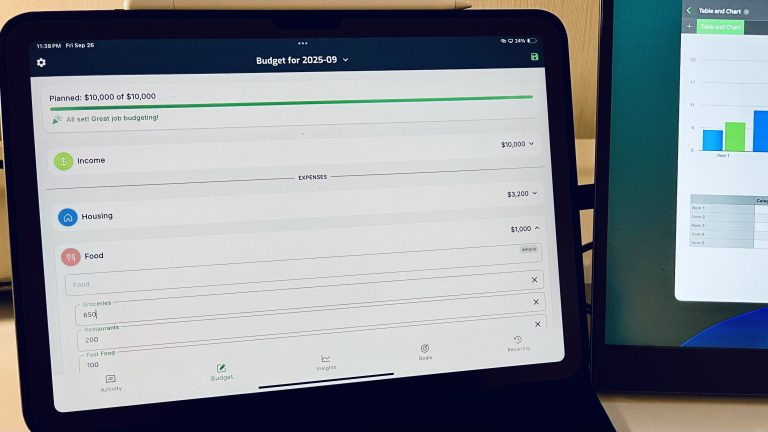
- Build a Budget: Find money you can redirect to debt each month. A zero-based budget makes this easier, and you can track it in FitBudget. More on that below.
- Pick Your Method: Choose avalanche or snowball and commit to it.
- Explore Balance Transfers or Consolidation Loans: These can lower your overall rate and simplify payments if you read the fine print.
- Avoid New Debt: Stop adding to the balances you’re working to clear.
Free Up Money With Zero-Based Budgeting
The fastest way to pay more toward debt is knowing exactly where your money goes. With zero-based budgeting, you plan all of your income before the month starts, including a clear line for debt payoff. That makes it easier to spot spending you won’t miss and move it to your cards.
It doesn’t mean cutting out everything fun. Budget for the things you enjoy on purpose, then send the rest toward your target card. If you’re short on time, How to Budget in 15 Minutes Per Week shows how to keep it light.
I built FitBudget around this same approach. The free version lets you log expenses manually, and Pro connects your US and Canadian bank accounts so transactions sync automatically. Use whatever tool keeps you consistent.
Frequently Asked Questions
Should I stop investing completely until my credit cards are paid off?
Not completely. Keep contributing enough to get any employer 401(k) match. Beyond that, putting extra money toward high-interest cards usually makes more sense than investing it.
Is it okay to keep a low-interest loan while I invest?
It can be. That’s what I do with my remaining loan. When a rate is well below what you reasonably expect to earn investing, carrying it while you invest can be manageable. Credit card rates are rarely in that range.
Is a 0% balance transfer worth it?
It worked for me, but only because I had a plan to pay the balance down during the promo period. Check the transfer fee and the rate that applies once the offer ends.
Avalanche or snowball, which is better?
Avalanche usually costs less in interest. Snowball gives faster wins. Pick the one you’ll stick with.
Final Thoughts
Learning to manage credit card debt was a pivotal moment in my financial journey. It was a lesson that started early in my Marine Corps days, when I relied on paycheck advance places just to get by, and was reinforced years later through investing mistakes and credit card balances. If you want the full story on that side, I wrote about it in Investing FOMO: How It Almost Ruined My Portfolio.
Those experiences taught me that building wealth is not about chasing quick wins. It is about making disciplined choices, planning ahead, and avoiding high-interest debt that quietly works against you.
If you are in a similar situation, remember this. Paying off your credit cards first and budgeting for major expenses in advance are some of the best investments you can make in your financial future. And once the balances are gone, you get to enjoy more of what you earn.