
PDCA for Real Life: How Plan, Do, Check, Act Keeps Fitness, Money, and Family in Balance
Most people don’t quit a workout plan or a budget because they’re lazy. They quit because something slipped, nobody looked at why, and the plan quietly fell apart. The PDCA cycle is how I keep that from happening.
Between work, family, and everything else, my schedule doesn’t stay still for long. What keeps my training and my budget on track isn’t willpower. It’s a simple loop called PDCA: Plan, Do, Check, Act.
It sounds like something from a business textbook, and it did come out of the quality improvement world. But the idea is simple enough to use at a kitchen table, and it works whether you’re 16 and starting your first budget or 60 and getting back into the gym after a long break.
What PDCA Actually Means 🔄
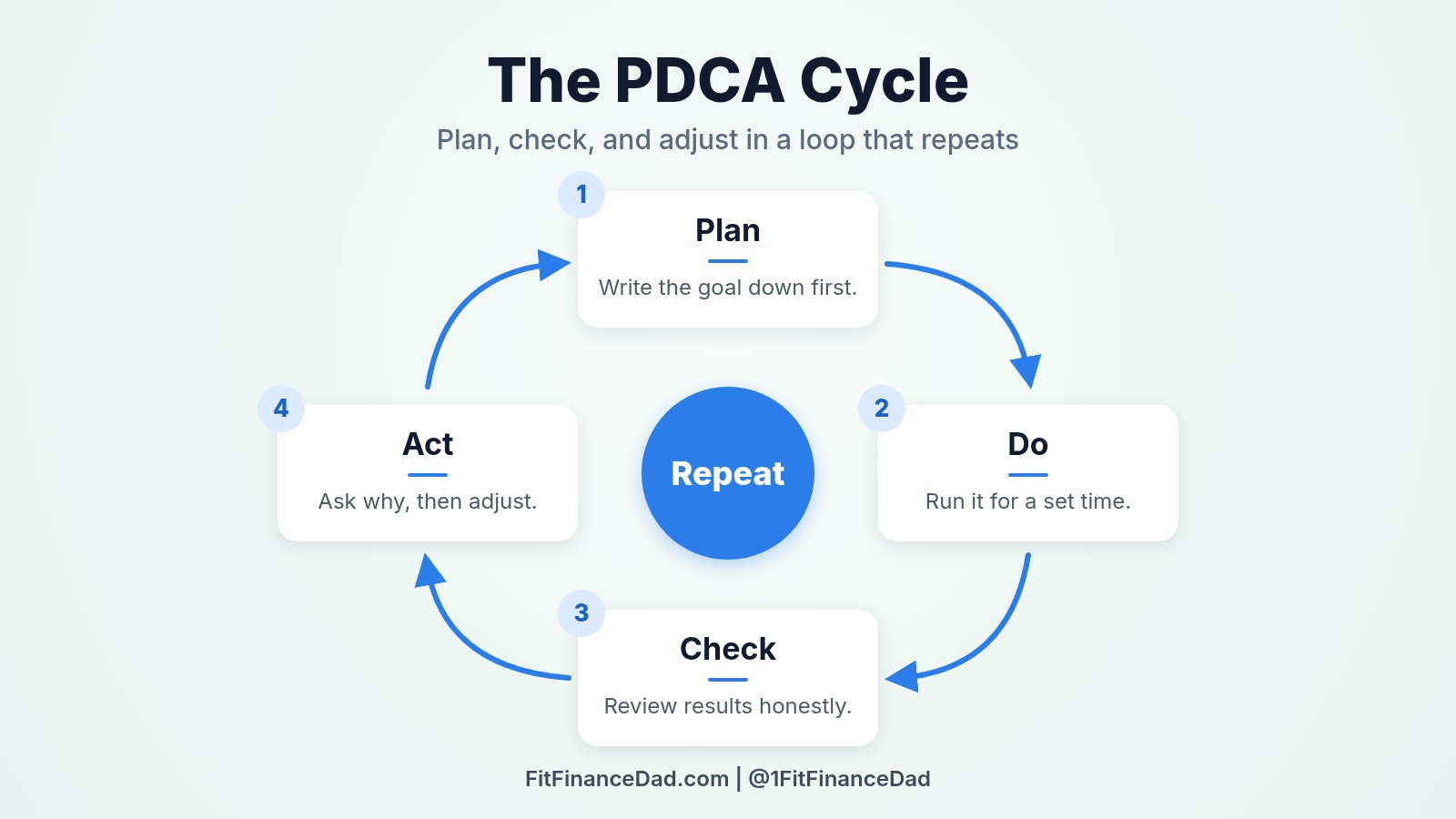
PDCA comes from the world of continuous improvement, and the Lean Enterprise Institute has a good overview of where it started. For everyday life, it comes down to four steps that repeat:
- Plan: Write the goal down before you start.
- Do: Follow the plan and give it a set time frame to work.
- Check: Review the results honestly.
- Act: Adjust based on what you learned, then start the next cycle.
The word that matters most there is repeat. PDCA isn’t a straight line you walk once. It’s a cycle. Every pass through it should leave you with a slightly better plan than the one before.
Plan: Write It Down Before You Start 📝
A goal that lives only in your head is easy to change when it gets inconvenient. Writing it down gives you something to measure against later.
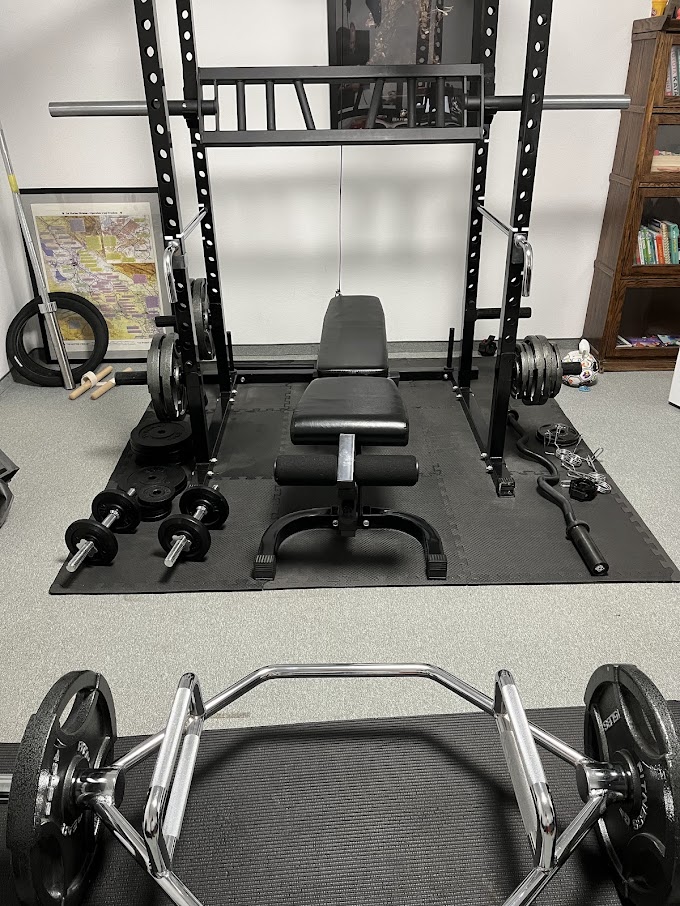
For my workouts, planning means setting up a four-week training block with one clear objective. My first block is Foundation, and the goal is exactly that: building the base by starting light and learning the movements. The next block gets a different name because it has a different objective.
A good objective shouldn’t be so difficult that you’ll never reach it, but it also shouldn’t be so easy that you hit it the next day. The sweet spot is somewhere in between. When you set objectives, think SMART: specific, measurable, achievable, relevant, and time-based. Each block has a set schedule, so I know what I’m supposed to do and when. If you want a starting point, my workout split guide lays out 3, 4, and 5-day options.
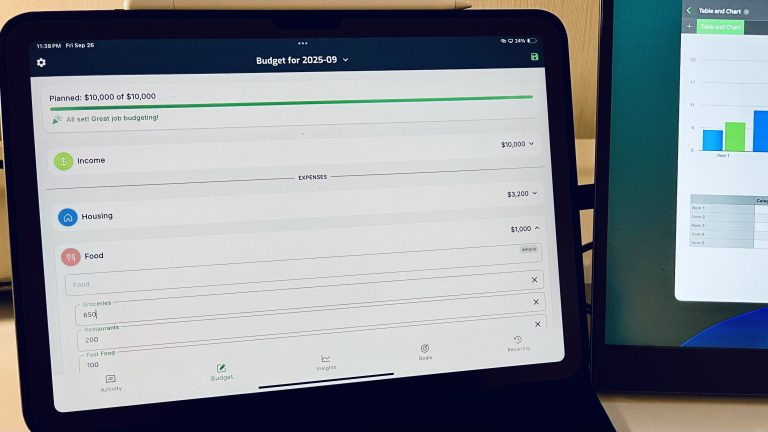
For my budget, planning means assigning all of my income to categories before the month starts. That’s the core of zero-based budgeting. Nothing is left floating without a purpose.
Do: Give the Plan Time to Work ⏳
Once the plan is set, the job is to follow it. Just as important, give it a set time frame before you judge it.
This is the part most people skip. They start a new routine, have one rough week, and decide it doesn’t work. Or they tweak the plan every few days, so they never find out what the original version could have done.
A plan needs enough time to show a real pattern. One missed workout is a bad night. Several missed workouts in a row is information. You only see the difference if you let the plan run.
Check: Look at the Results Honestly 🔍
Checking is where a plan stops being a hope and becomes something you can improve. The key is having a simple way to see what actually happened, and only after enough time to collect real data.
How I check my workouts
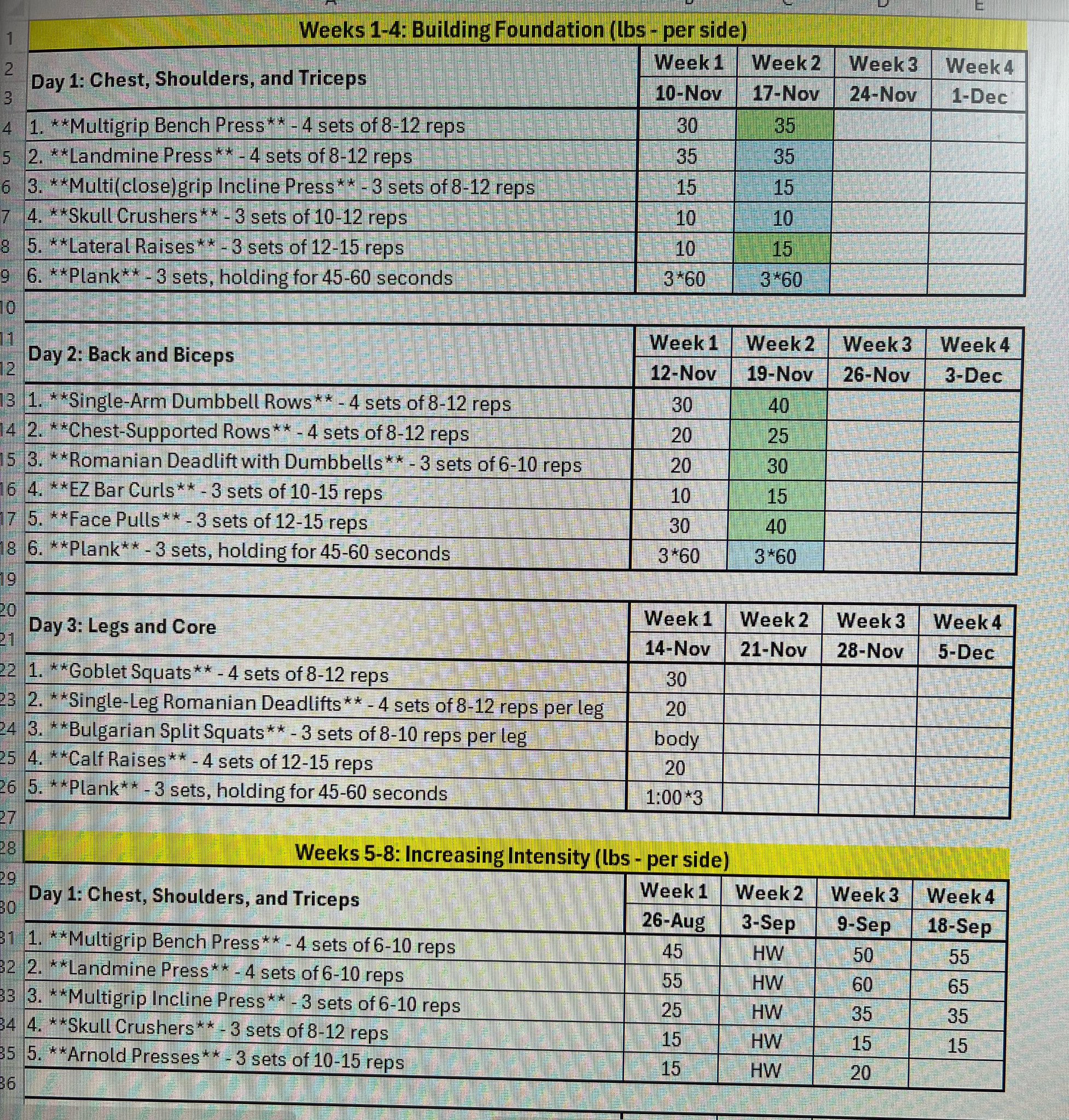
I track my workouts in an Excel sheet, and I color code the entries as visual indicators. An increase in weight gets one color, staying the same as the prior week gets another, and a miss gets another. That way I can see both my progress and my misses at a glance. I don’t have to remember or guess. The sheet is my Check.
How I check my budget
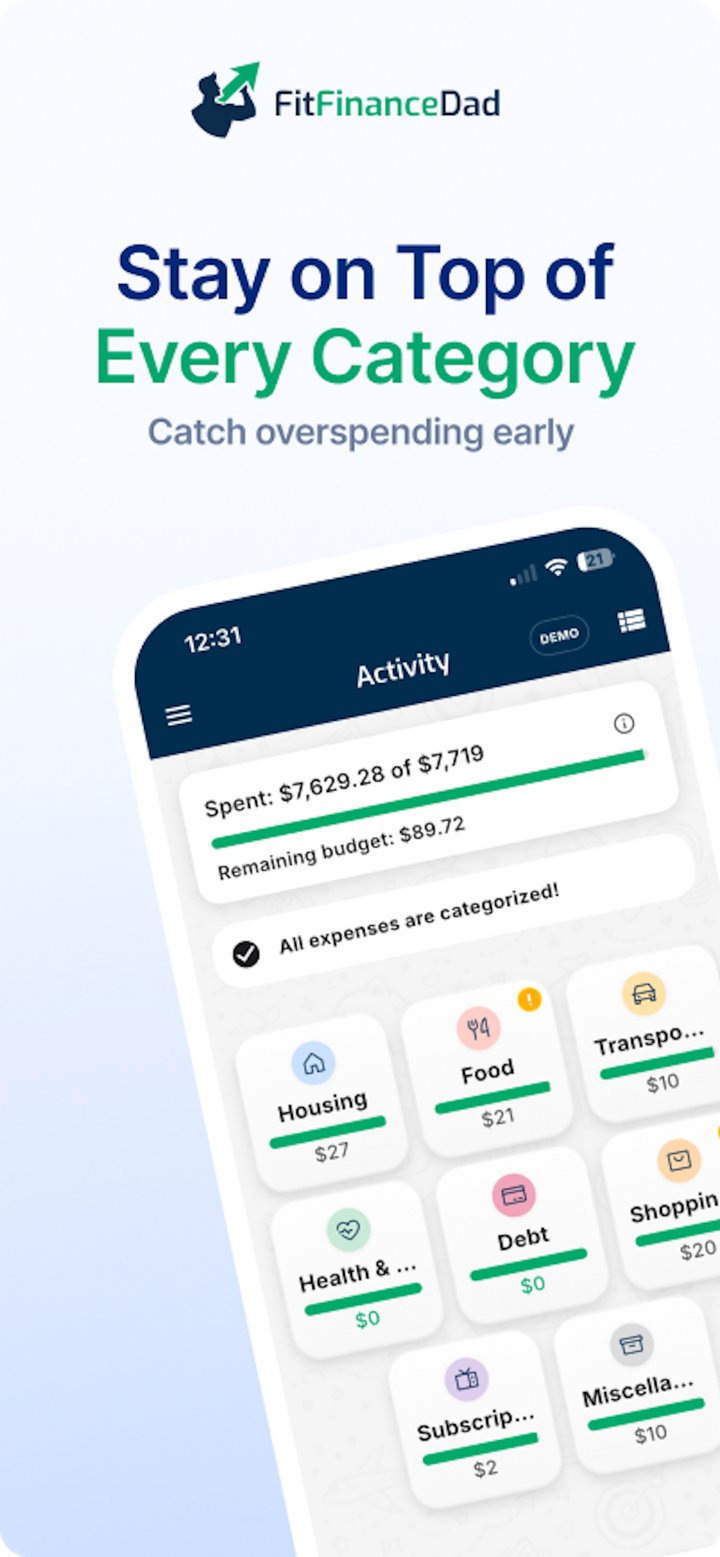
For money, I use FitBudget, the budgeting app I built. When a category goes over, it shows up right away. I don’t find out at the end of the month when it’s too late to do anything about it.
On top of that, I do a weekly check that takes about 15 minutes. I log and categorize the past week’s transactions while I still remember them. Then I check the categories that move around during the month, like groceries, fuel, and fun money, against what’s left. Last, I look at the week ahead. If one category ran over, I move money from another so the plan still balances and my savings goals and fixed bills stay protected.
Whatever tools you use, the goal is the same. Make the misses visible without making them a big emotional event. Red means you’re not hitting your targets, and green means you are. It’s okay to be red as long as the trend is right. This is a cycle of continuous improvement, and every step forward counts. If you’re green but the trend has been flat for months, you’re probably not pushing hard enough or not setting your targets high enough. But if you’re red and trending in the right direction, you’re improving. If you want a light routine for this, my 15-minute weekly budget check is built around it.
I check in three layers. Day to day, I stay close to the numbers so nothing surprises me. Each workout block gets its full four weeks and each budget gets a full month before I judge it. Then every quarter, I step back and look at the bigger trend. Are my lifts still moving up, are my savings growing, and do my goals still fit my life? The short checks keep me on track, and the quarterly review is what keeps it going for the long haul.
Act: Ask Why, Then Adjust 🛠️
This is the step that turns a list of misses into a better plan. When something goes wrong, ask why and write the reason down.
I’ve started adding a one-line reason next to each missed workout on my sheet. It takes a few seconds. Over time, those short notes show patterns that a color alone can’t explain.
Then you adjust. Sometimes that means changing the plan. Sometimes it means changing how you show up for it. Either way, the next cycle starts smarter than the last one.
Two Real Examples From My Own Loop 💡
Evening workouts
I train in the evening. I have a set schedule, but evenings don’t always cooperate, and sessions slip.
When my sheet shows a trend of misses, not just one, I adjust by starting earlier. That small change came straight from checking the results instead of just hoping next week would be better.
One month over budget
One month, I went way over in one category. FitBudget caught it immediately, so I didn’t have to wait until the month was done to notice.
I adjusted my spending and was more mindful in that category. The next month, I spent less. That’s the full cycle in action: a plan, a miss, an honest look, and a change that showed up in the next round.
Why the PDCA Cycle Matters More Than the Plan ⚖️
A perfect plan doesn’t exist. What you can build is a habit of noticing, asking why, and adjusting without beating yourself up.
That’s what makes PDCA such a good fit for real life. Fitness, money, and family time all compete for the same hours. Plans will slip. The loop gives you a calm, repeatable way to get back on track instead of starting over from zero. I wrote more about juggling those priorities in Balancing Act: Fitness, Family and Career.
If you’ve tried and quit before, you don’t need more motivation. You need a shorter feedback loop. Pick one habit, write the plan down, give it time, check it honestly, and adjust.
Frequently Asked Questions ❓
What does PDCA stand for?
PDCA stands for Plan, Do, Check, Act. Some people say Adjust instead of Act. Either way, the idea is to plan, follow through, review the results, and improve the next cycle.
How long should I run a plan before checking it?
Long enough to see a pattern rather than a single bad day. I give each workout block its full four weeks and my budget a full month, with quick check-ins along the way. Every quarter, I step back to look at the bigger trend and make sure the goals themselves still fit.
Do I need special tools to use PDCA?
No. A notebook works. What matters is that you write the plan down and have a simple way to see what you missed. I use an Excel sheet for workouts and FitBudget for my budget.
What if I keep missing the same thing?
That’s useful information. Write down the reason each time, look for the pattern, and change the part of the plan that keeps breaking.
Start Your First Loop 🚀
Choose one habit this week, whether it’s a workout schedule, a spending category, or bedtime. Write the plan down, set a time frame, and decide when you’ll check it. When you do, write down the why behind any miss and let it shape the next round. That’s how small adjustments turn into habits that actually last.